
Your Vision Deserves More Than Treatment — It Deserves Prevention
At Optimax Eye Specialist, we often meet patients who tell us the same thing:
“I thought my eyes were fine.”
They were able to drive.
Read.
Work.
Go about their daily routines.
Then one day, something changed.
Perhaps it was blurred vision while reading.
Difficulty driving at night.
Persistent headaches after work.
Or simply the feeling that their eyes were “not as sharp as before.”
What many people don’t realise is that several eye conditions begin developing long before symptoms become noticeable.
This is why preventive eye care has become one of the most important messages in modern ophthalmology.
Every October, World Sight Day reminds us that healthy vision should never be taken for granted. The global #LoveYourEyes campaign encourages people everywhere to prioritise regular eye examinations, early detection and accessible eye care because protecting sight begins long before vision is lost.
Good Vision Doesn’t Always Mean Healthy Eyes
One of the biggest misconceptions we encounter is this:
“If I can see clearly, my eyes must be healthy.”
Unfortunately, this is not always true.
Many eye conditions develop gradually without affecting vision during their early stages.
These include:
- Glaucoma
- Diabetic eye disease
- Cataracts
- Retinal disorders
- Certain optic nerve conditions
Because the brain adapts remarkably well to gradual changes, many people continue seeing “normally” while disease quietly progresses.
By the time symptoms become obvious, treatment may become more complex.
This is why preventive eye care focuses on detecting problems before they begin affecting daily life.
A Comprehensive Eye Examination Is More Than a Vision Test
Many people associate eye examinations with updating their spectacle prescription.
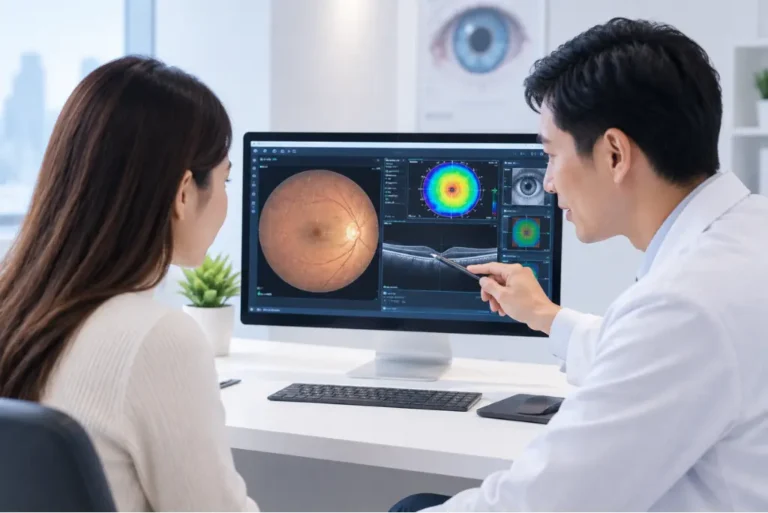
In reality, a comprehensive eye examination provides a much broader assessment of eye health.
Depending on your individual needs, our optometrists and ophthalmologists may assess:
- Visual acuity
- Refractive error
- Eye pressure
- Corneal health
- Retinal health
- Cataract development
- Tear film quality
- Overall ocular health
Each assessment provides valuable information that helps us understand not only how well you see today, but also how to protect your vision in the years ahead.
Eye Health Changes Throughout Life
Preventive eye care is not limited to one age group.
Different stages of life bring different eye health priorities.
Children
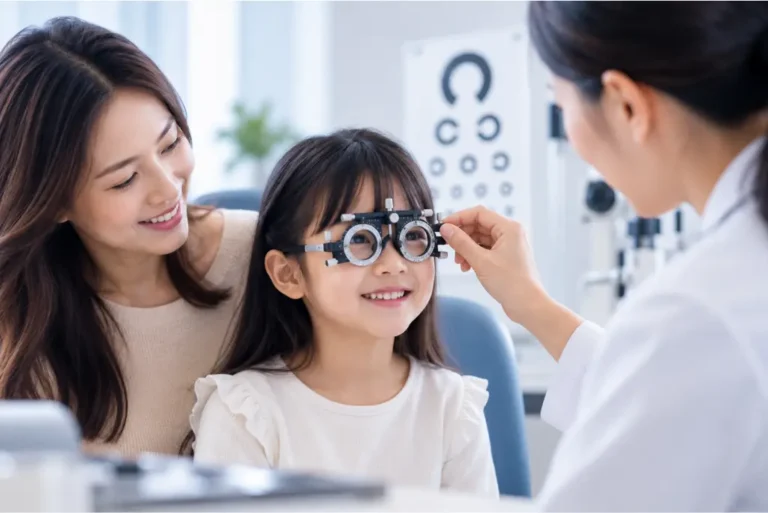
Early eye examinations support healthy visual development and help detect conditions that may affect learning, including refractive errors, binocular vision problems and amblyopia.
Working Adults
Long hours spent using computers, smartphones and digital devices have increased the incidence of digital eye strain and dry eye symptoms.
Routine eye examinations help monitor visual changes while supporting comfortable vision at work.
Adults Over 40
Natural ageing brings changes such as presbyopia, while the risk of glaucoma and cataracts gradually increases.
Regular monitoring allows these conditions to be detected earlier, often before they affect daily activities.
Older Adults
As we age, maintaining independence often depends on maintaining good vision.
Routine eye examinations help monitor retinal health, cataracts and other age-related eye conditions that may influence quality of life.
Your Eyes Can Reveal More Than Vision Problems
The eyes are one of the few places in the body where blood vessels and nerves can be examined directly without surgery.
During a comprehensive eye examination, changes within the eye may sometimes indicate broader health concerns that warrant further medical evaluation.
These may include:
- Diabetes
- High blood pressure
- High cholesterol
- Certain autoimmune conditions
While an eye examination is not intended to diagnose systemic disease, it can provide valuable clinical information that supports earlier referral and further medical assessment where appropriate.
Prevention Begins With Everyday Habits
Protecting your eyesight isn’t only about attending appointments.
Healthy daily habits also play an important role.
Simple steps include:
- Following the 20-20-20 rule during prolonged screen use
- Wearing sunglasses with UV protection
- Eating a balanced diet rich in leafy vegetables and omega-3 fatty acids
- Staying physically active
- Avoiding smoking
- Managing chronic conditions such as diabetes and hypertension
- Scheduling regular comprehensive eye examinations
These habits work together to support healthy vision over the long term.
Our Approach to Preventive Eye Care
At Optimax Eye Specialist, we believe that the best treatment often begins long before treatment is needed.
Our approach to preventive eye care focuses on understanding each patient’s individual eye health through comprehensive assessment rather than simply responding to symptoms.
By bringing together experienced optometrists, ophthalmologists and advanced diagnostic technology, we are able to provide personalised recommendations based on each person’s age, lifestyle, medical history and visual needs.
Whether your visit is for a routine eye examination, monitoring an existing condition or seeking a second opinion, our goal is the same—to help you make informed decisions that protect your vision for the future.
Protecting Vision Is a Lifelong Commitment
Good eyesight supports almost every aspect of daily life.
It helps children learn.
It allows adults to work confidently.
It enables older adults to remain independent.
Because many eye conditions develop gradually, waiting until symptoms appear is rarely the best approach.
Instead, regular eye examinations allow small changes to be identified early, when management options are often most effective.
This World Sight Day, we encourage you to make eye health part of your overall well-being—not only for today, but for every stage of life.
After all, loving your eyes isn’t something we do once a year.
It’s a lifelong commitment.
Frequently Asked Questions
1. What is preventive eye care?
Preventive eye care focuses on maintaining healthy vision through regular comprehensive eye examinations, healthy lifestyle habits and early detection of eye conditions before symptoms develop.
2. If my vision seems normal, do I still need an eye examination?
Yes. Many eye conditions, including glaucoma and diabetic eye disease, may develop without noticeable symptoms during their early stages.
3. How often should I have a comprehensive eye examination?
The recommended frequency depends on your age, eye health, family history and medical conditions. Our optometrists can advise an appropriate examination schedule based on your individual needs.
4. What can a comprehensive eye examination detect?
In addition to refractive errors, examinations may help detect cataracts, glaucoma, retinal disease, dry eye disease and other eye health concerns. They may also identify changes that require further medical evaluation.
5. Why is World Sight Day important?
World Sight Day is a global awareness initiative that encourages individuals, communities and healthcare organisations to prioritise accessible eye care, early detection and lifelong eye health through the #LoveYourEyes campaign.
Book a Comprehensive Eye Examination
Your vision is one of your most valuable assets.
Whether it has been one year or several years since your last eye examination, taking a proactive approach to eye health today may help protect your vision for the future.
At Optimax Eye Specialist, our team is committed to providing comprehensive, personalised eye care through early detection, evidence-based recommendations and continuity of care—because protecting your sight begins long before symptoms appear.