Modern Eye Care Is About More Than Technology
Technology has transformed many aspects of healthcare, and ophthalmology is no exception.
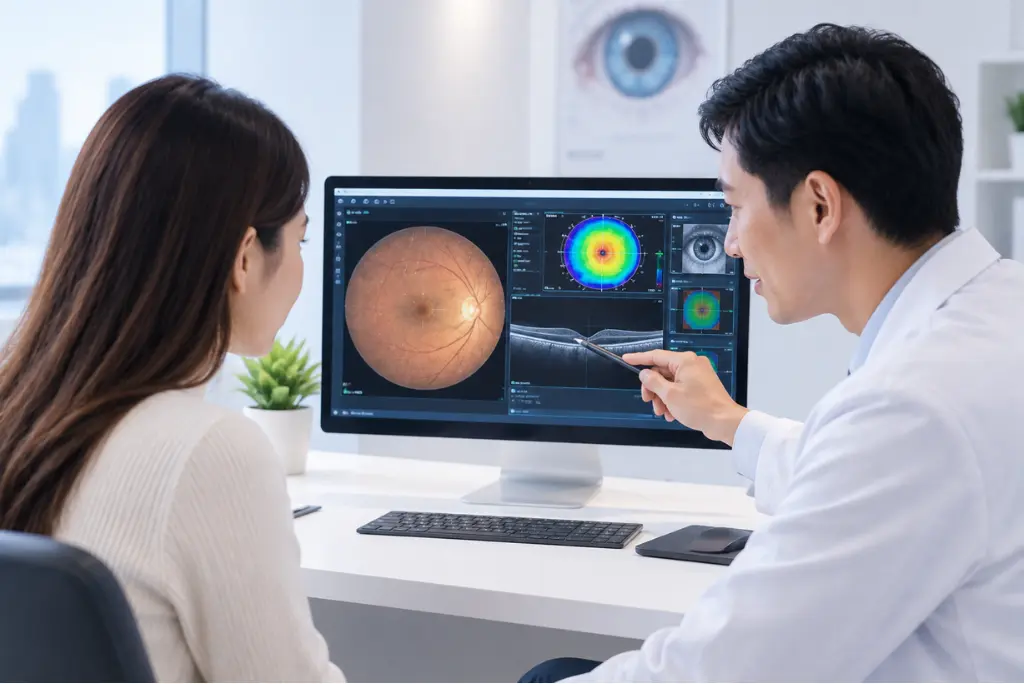
Today’s eye care professionals have access to highly sophisticated diagnostic equipment capable of capturing detailed images of the eye, measuring corneal thickness, analysing tear quality, and mapping the retina with remarkable precision.
For patients considering vision correction or seeking treatment for eye conditions, these innovations can understandably be reassuring.
However, one important misconception remains: advanced technology alone does not guarantee the best outcome.
The most successful treatment plans begin long before surgery or medication. They begin with a comprehensive understanding of each patient’s eyes.
Why Diagnosis Matters Before Treatment
No two eyes are exactly alike.
Even when two patients share a similar spectacle prescription, factors such as corneal shape, tear stability, retinal health, lifestyle, occupation and overall eye health can differ significantly.
This is why modern eye care focuses on personalised assessment rather than a one-size-fits-all approach.
A comprehensive eye examination allows clinicians to determine:
- Whether vision changes are caused by refractive error or underlying eye disease
- Whether a patient is suitable for laser vision correction
- Whether symptoms are related to cataracts, dry eye disease or retinal conditions
- Whether monitoring may be more appropriate than immediate intervention
Accurate diagnosis forms the foundation of responsible clinical decision-making.
Technology Supports Clinical Judgement — It Does Not Replace It
Artificial intelligence, digital imaging and automated measurements have become valuable tools in modern ophthalmology.
These technologies can assist clinicians by:
- Detecting subtle structural changes
- Producing highly detailed diagnostic images
- Improving measurement consistency
- Supporting long-term monitoring of disease progression
While these innovations enhance efficiency and precision, they are designed to support — not replace — the clinical judgement of experienced eye care professionals.
Treatment recommendations should always consider the patient’s overall eye health, medical history, lifestyle and visual expectations alongside diagnostic findings.
Why Personalised Treatment Planning Is Essential
Modern eye care is no longer focused solely on correcting vision.
Instead, it aims to recommend the most appropriate solution based on each individual’s unique needs.
For example:
A patient considering laser vision correction may first require treatment for dry eye before surgery can be safely considered.
Another patient experiencing blurred vision may discover that cataracts—not changing spectacle power—are the primary cause.
Others may learn that their symptoms are best managed through observation rather than immediate treatment.
These examples illustrate why personalised treatment planning is just as important as access to advanced technology.
The Role of Comprehensive Eye Examinations
Many eye conditions develop gradually and may not produce noticeable symptoms during their early stages.
A comprehensive eye examination provides valuable information about both vision and overall eye health.
Depending on individual needs, assessments may include:
- Refraction and visual acuity testing
- Corneal mapping
- Intraocular pressure measurement
- Retinal imaging
- Ocular surface evaluation
- Cataract assessment
- Dry eye evaluation
Together, these findings provide a more complete picture of the patient’s visual health and support informed clinical recommendations.
Malaysia’s Growing Reputation for Advanced Eye Care
Malaysia has become an increasingly recognised destination for specialised healthcare, attracting both local and international patients seeking high-quality medical services.
For eye care, patients are often drawn by:
- Experienced ophthalmologists and optometrists
- Modern diagnostic facilities
- Comprehensive treatment options
- English-speaking healthcare professionals
- Competitive treatment costs
- Well-established private healthcare infrastructure
As part of the Visit Malaysia 2026 initiative, medical tourism continues to highlight the country’s ability to deliver internationally recognised healthcare while maintaining high clinical standards.
Integrated Care Supports Better Outcomes
Modern eye care is rarely delivered by one healthcare professional alone.
Instead, effective care often involves collaboration between optometrists, ophthalmologists and supporting clinical teams.
This integrated approach allows patients to benefit from:
- Thorough initial assessment
- Appropriate specialist referral when required
- Coordinated treatment planning
- Structured post-treatment monitoring
- Long-term continuity of care
Established providers such as Optimax Eye Specialist adopt this collaborative model, combining advanced diagnostic technology with multidisciplinary clinical expertise to ensure that treatment recommendations remain patient-centred and evidence-based.
This governance-first approach helps ensure that technology supports better clinical decisions rather than becoming the focus of care.
Looking Beyond the Latest Technology
Patients researching laser vision correction often compare the latest devices, surgical techniques or brand names.
While these innovations are important, they should not overshadow the quality of the assessment itself.
The right technology, used for the right patient, at the right time, produces the safest and most predictable outcomes.
Equally important is recognising when surgery may not be the most appropriate option.
Responsible eye care means recommending treatment only when clinical assessment supports it.
Making Informed Decisions About Your Vision
Choosing an eye care provider should involve more than comparing equipment or pricing.
Patients should consider whether the provider offers:
- Comprehensive diagnostic assessment
- Personalised treatment recommendations
- Transparent discussion of risks and benefits
- Structured follow-up care
- Collaborative clinical expertise
These factors contribute significantly to long-term visual outcomes and patient confidence.
Frequently Asked Questions
1. Is advanced diagnostic technology necessary before LASIK?
Yes. Comprehensive pre-operative assessment helps determine whether a patient is suitable for laser vision correction and identifies any conditions that should be addressed beforehand.
2. Can AI replace an eye specialist?
No. AI and advanced imaging technologies assist with diagnosis and monitoring, but treatment decisions should always be made by qualified eye care professionals based on the patient’s overall clinical picture.
3. Why is a comprehensive eye examination important even if my vision seems normal?
Many eye diseases develop gradually without noticeable symptoms. Regular examinations allow early detection and timely management before vision is affected.
4. Does having the latest laser technology guarantee better results?
Technology is only one part of successful treatment. Accurate diagnosis, appropriate patient selection and experienced clinical judgement are equally important in achieving safe and effective outcomes.
5. Why do international patients choose Malaysia for eye care?
Malaysia offers experienced specialists, modern healthcare facilities, English-speaking medical teams, and competitive treatment costs, making it an attractive destination for both local and international patients seeking high-quality eye care.
Whether you are considering laser vision correction, seeking answers about changing vision, or simply planning your next comprehensive eye examination, choosing a provider that combines advanced diagnostics with personalised clinical care can help you make informed decisions about your long-term eye health.