When “Passing” a School Vision Test Doesn’t Tell the Whole Story
For many parents, a school vision screening offers reassurance that their child’s eyesight is developing normally.
If a child can identify letters on a chart from across the room, it is easy to assume their vision is healthy.
However, vision is far more complex than simply seeing clearly at a distance.
School vision screening programmes play an important role in identifying children who may require further assessment, but they are designed as an initial screening tool rather than a comprehensive evaluation of eye health.
Some children who pass these screenings may still experience visual problems that affect learning, concentration, reading and overall development without becoming immediately obvious.
Understanding the difference between vision screening and a comprehensive eye examination allows parents to make more informed decisions about their child’s long-term eye health.
What Does a School Vision Screening Actually Assess?
School vision screenings are designed to identify obvious visual difficulties quickly and efficiently.
Depending on the programme, screening may include:
- Distance visual acuity
- Basic eyesight measurements
- Simple observation of eye alignment
These programmes provide an important public health service by identifying children who require further evaluation.
However, they are not intended to diagnose eye conditions or replace a full clinical assessment.
Many aspects of vision cannot be assessed during a brief screening session.
Healthy Eyes Involve More Than Clear Vision
Children rely on their eyes throughout the school day.
Reading.
Writing.
Following moving objects.
Looking between books, tablets and classroom whiteboards.
Maintaining focus during lessons.
These visual skills involve much more than simply seeing letters clearly.
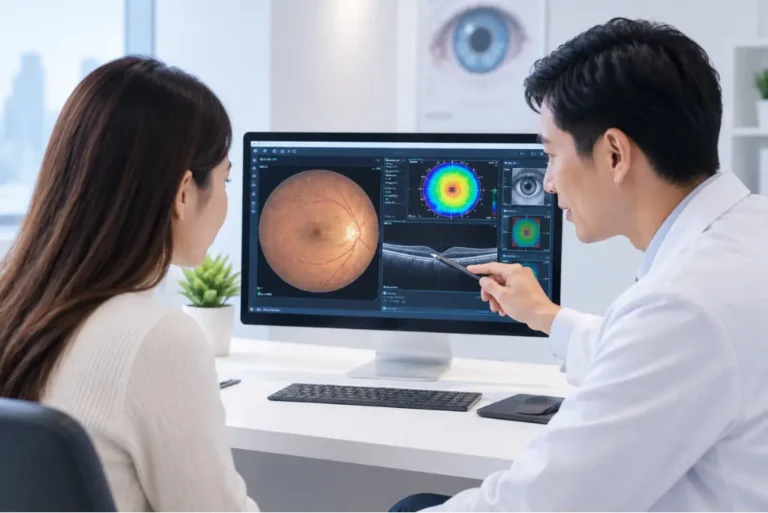
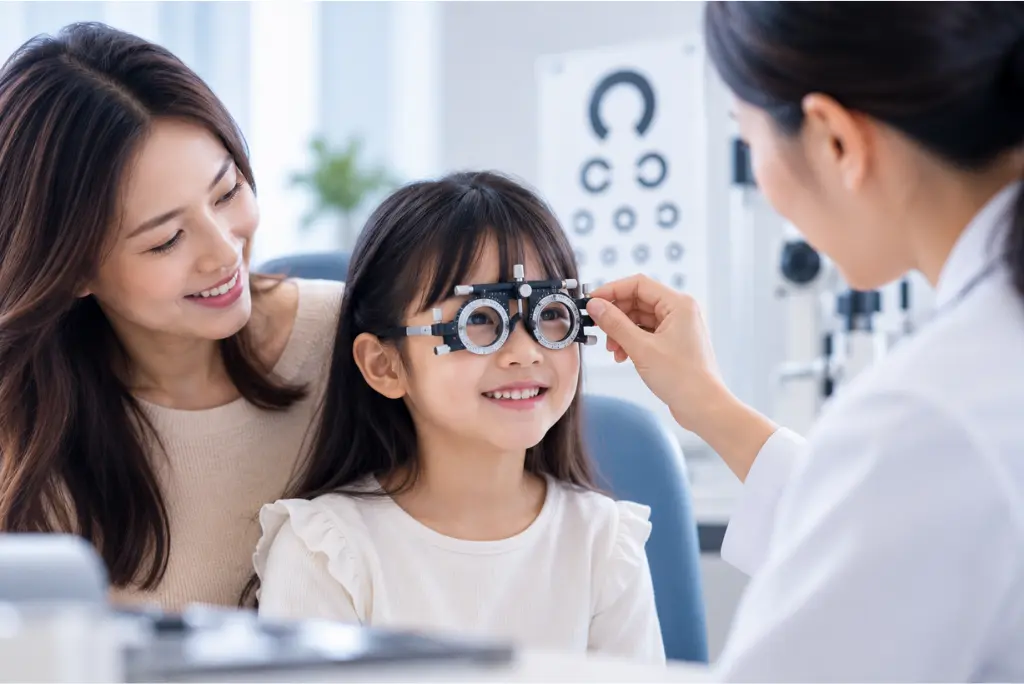
A comprehensive eye examination evaluates how the eyes work together as a complete visual system.
Depending on a child’s age and needs, assessments may include:
- Visual acuity
- Refraction (whether glasses are needed)
- Eye coordination
- Focusing ability
- Eye movement control
- Depth perception
- Colour vision
- Overall eye health
Together, these assessments provide a much clearer understanding of how a child sees the world.
Vision Problems Can Affect Learning Without Being Obvious
Children often assume everyone sees the world the same way they do.
Because vision changes can occur gradually, many children do not realise they are experiencing a problem.
Instead, parents or teachers may notice behaviours such as:
- Losing place while reading
- Frequent headaches after school
- Avoiding books
- Difficulty concentrating
- Holding reading material very close
- Tilting the head when reading
- Complaining that words appear to move
- Reduced confidence during classroom activities
These behaviours are not always caused by poor vision.
However, they highlight why persistent concerns deserve professional assessment rather than assumptions.
Myopia Is Only One Piece of the Puzzle
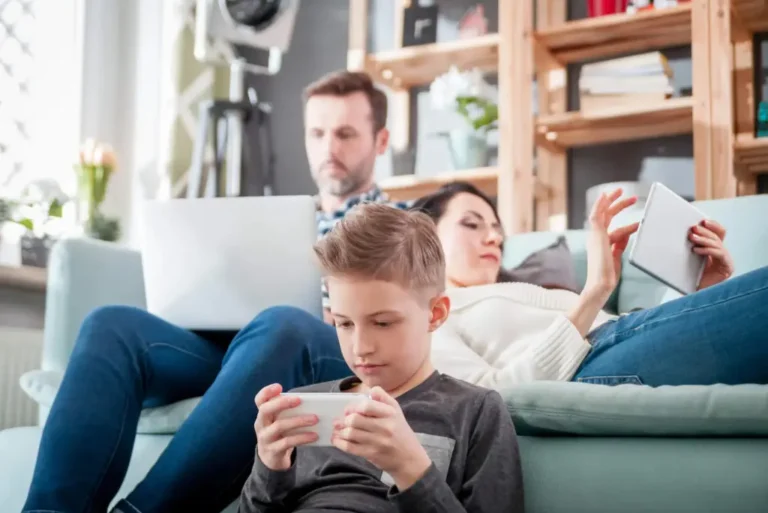
Childhood myopia continues to increase worldwide, particularly as digital learning and prolonged near work become more common.
While early myopia management has become an important part of children’s eye care, it is only one aspect of comprehensive assessment.
An eye examination also allows professionals to evaluate:
- Hyperopia (long-sightedness)
- Astigmatism
- Eye alignment
- Binocular vision
- Amblyopia (lazy eye)
- General eye health
Identifying these conditions early supports timely management during the years when visual development is most responsive.
Why Early Detection Matters
Many childhood eye conditions respond best when identified early.
Delaying assessment may allow vision problems to influence learning, confidence and daily activities before appropriate support is provided.
Regular eye examinations allow eye care professionals to:
- Establish baseline measurements
- Monitor visual development
- Detect changes over time
- Recommend appropriate intervention when necessary
In many cases, reassurance is just as valuable as treatment.
Knowing that a child’s eyes are developing normally provides confidence for both parents and teachers.
A Collaborative Approach to Children’s Eye Care
Children’s vision needs change as they grow.
This is why many established eye care providers adopt an integrated model of care that combines optometrists, ophthalmologists and supporting clinical teams.
Rather than focusing solely on prescribing glasses, the goal is to understand each child’s visual development, identify potential concerns early and recommend appropriate follow-up where required.
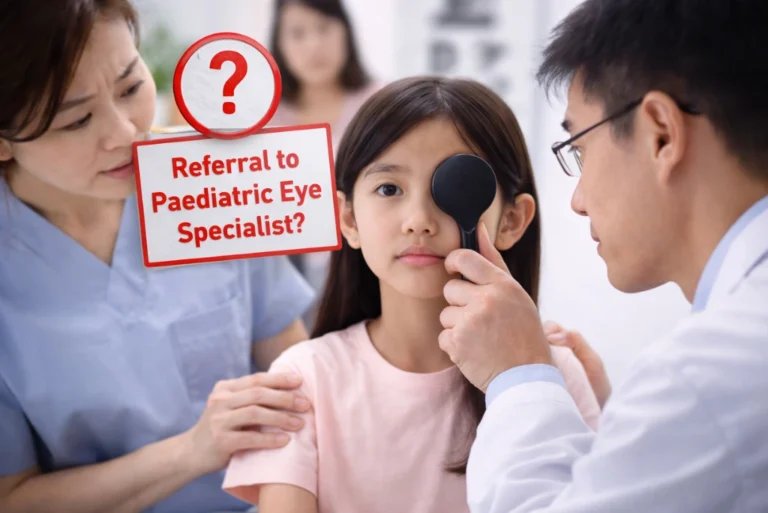
Providers such as Optimax Eye Specialist adopt this collaborative approach, offering comprehensive children’s eye examinations alongside structured myopia management and specialist referral when clinically indicated.
This governance-first model helps ensure that every recommendation is based on careful assessment and the individual needs of the child.
Supporting Healthy Vision at Home
Parents play an important role in supporting healthy visual development.
Simple habits can make a positive difference, including:
- Encouraging regular outdoor play
- Taking breaks during prolonged near work
- Maintaining appropriate reading distance
- Ensuring adequate lighting while studying
- Scheduling regular comprehensive eye examinations
- Seeking professional advice if concerns arise
These everyday practices complement professional care and encourage lifelong eye health.
Looking Beyond the School Report Card
School vision screenings remain an important first step in identifying children who may need further assessment.
However, they should not be viewed as a complete evaluation of a child’s visual health.
A comprehensive eye examination provides a broader understanding of how a child sees, learns and interacts with the world.
As children continue to grow in increasingly digital learning environments, early assessment, regular monitoring and personalised care remain the most effective ways to protect lifelong vision.
Frequently Asked Questions
1. Is a school vision screening the same as a comprehensive eye examination?
No. School vision screenings are designed to identify obvious visual problems, while comprehensive eye examinations assess overall visual function, eye health and development in much greater detail.
2. My child passed the school vision screening. Do they still need an eye examination?
Yes. Some eye conditions may not be detected during routine school screening programmes. A comprehensive examination evaluates many aspects of vision that are not included in basic screenings.
3. How often should children have comprehensive eye examinations?
The appropriate frequency depends on age, visual development and individual risk factors. An eye care professional can recommend a suitable examination schedule based on your child’s needs.
4. What conditions can a comprehensive eye examination detect?
In addition to refractive errors such as myopia and astigmatism, examinations may identify binocular vision problems, amblyopia, eye coordination issues and other eye health conditions.
5. When should parents arrange an eye examination? Parents should consider arranging an examination if their child experiences headaches, blurred vision, squinting, reading difficulties, poor concentration or if there are concerns raised by teachers. Regular assessments are also valuable even when no obvious symptoms are present.
A child’s vision influences far more than what they see on the classroom whiteboard. Regular comprehensive eye examinations provide valuable insights into visual development and can help identify concerns before they begin affecting learning or everyday life. If you have questions about your child’s eye health, seeking advice from a qualified eye care professional is an important first step.