
Is It Really Just Tired Eyes?
Long hours in front of digital screens, air-conditioned workplaces, irregular sleep, and increasing visual demands have made eye discomfort a common complaint for many Malaysians.
It is easy to dismiss symptoms such as dryness, irritation, blurred vision, or tired eyes as a normal part of a busy lifestyle. However, when these symptoms become persistent, they may indicate something more than temporary fatigue.
Dry Eye Disease is one of the fastest-growing eye conditions worldwide, affecting people of all ages. While modern lifestyles contribute significantly to its development, many individuals continue to self-manage symptoms without understanding the underlying cause.
Recognising the difference between occasional eye fatigue and an ongoing eye condition is the first step towards protecting long-term vision.
What Is Dry Eye Disease?
Dry Eye Disease occurs when the eyes are unable to produce enough healthy tears, or when tears evaporate too quickly to keep the surface of the eye properly lubricated.
Healthy tears do far more than keep the eyes comfortable. They help:
- Maintain clear vision
- Protect the eye against infection
- Nourish the cornea
- Support overall ocular health
When this delicate balance is disrupted, symptoms may become persistent and gradually affect daily activities such as reading, driving, or working on digital devices.
Unlike temporary eye strain, Dry Eye Disease often requires professional assessment to determine the underlying cause.
Why Is Dry Eye Becoming More Common?
Several lifestyle and environmental factors contribute to the increasing prevalence of dry eye symptoms in Malaysia.
Prolonged Digital Device Use
Most adults now spend several hours each day using computers, smartphones, or tablets. During prolonged screen use, people blink less frequently, allowing tears to evaporate more quickly.
This explains why many office workers experience worsening discomfort towards the end of the workday.
Air-Conditioned Environments
Air conditioning reduces humidity, increasing tear evaporation and contributing to ocular surface dryness.
For individuals who spend most of their day indoors, environmental conditions can significantly affect eye comfort.
Ageing
Natural tear production gradually decreases with age. Adults over 40 may notice increasing dryness alongside other age-related vision changes, including presbyopia.
Hormonal Changes
Women may experience dry eye symptoms during pregnancy, menopause, or as a result of hormonal fluctuations, making regular eye assessments particularly important.
Contact Lens Wear
Extended contact lens use may contribute to dryness and discomfort, especially when combined with prolonged screen exposure.
Dry Eye Disease vs Digital Eye Strain
Although the symptoms are similar, these conditions are not identical.
Digital Eye Strain is generally associated with prolonged near work and screen use. Symptoms often improve after rest or adjustments to visual habits.
Common symptoms include:
- Eye fatigue
- Headaches
- Temporary blurred vision
- Difficulty refocusing
Dry Eye Disease, on the other hand, is a chronic condition involving tear instability or poor tear quality. Without appropriate management, symptoms may persist regardless of rest.
Understanding this distinction helps ensure that the right treatment is recommended.
Why Eye Drops Are Not Always the Answer
Over-the-counter lubricating eye drops may provide temporary relief, but they do not always address the underlying cause of persistent symptoms.
Different individuals experience Dry Eye Disease for different reasons, including:
- Reduced tear production
- Meibomian gland dysfunction (MGD)
- Inflammation of the ocular surface
- Environmental factors
- Certain medications
- Underlying medical conditions
Without a proper diagnosis, treatment often becomes a process of trial and error.
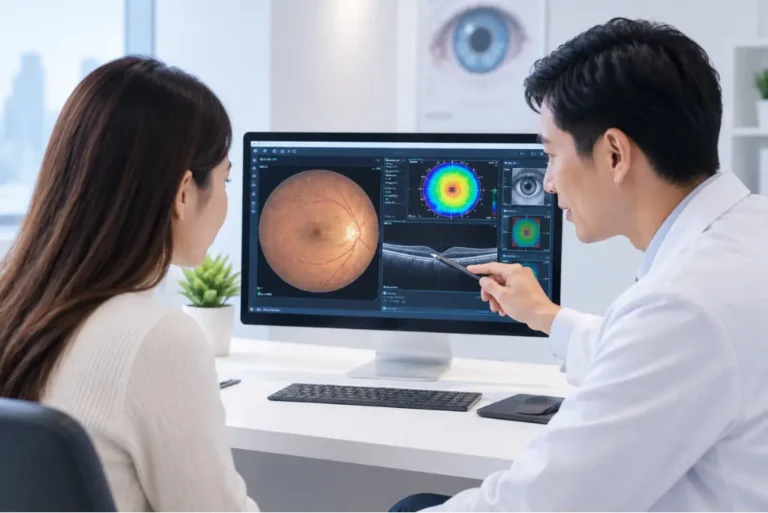
The Importance of Comprehensive Assessment
Persistent eye discomfort should never be dismissed as simply “part of getting older” or “too much screen time.”
A comprehensive eye examination allows eye care professionals to evaluate:
- Tear quality and stability
- Ocular surface health
- Eyelid function
- Vision changes
- Other eye conditions that may present with similar symptoms
Early assessment helps distinguish Dry Eye Disease from other causes of blurred or uncomfortable vision.
An Integrated Approach to Eye Care
Managing Dry Eye Disease often requires more than one solution.
Lifestyle adjustments, environmental modifications, lubricating therapy, and ongoing monitoring may all play a role depending on the underlying cause.
Established centres such as Optimax Eye Specialist adopt an integrated care approach, where optometrists and ophthalmologists work together to identify the cause of symptoms and recommend personalised management based on each patient’s needs.
This collaborative model supports continuity of care while ensuring that patients receive appropriate treatment rather than unnecessary intervention.
Simple Daily Habits That Support Eye Comfort
While not all cases of Dry Eye Disease can be prevented, several healthy habits may help reduce symptoms:
- Follow the 20-20-20 rule during prolonged screen use
- Blink consciously when using digital devices
- Stay well hydrated
- Maintain good indoor humidity where possible
- Wear sunglasses outdoors to reduce wind exposure
- Schedule regular comprehensive eye examinations
Small lifestyle adjustments often complement professional treatment and contribute to long-term eye comfort.
Looking Beyond Temporary Relief
Many eye conditions develop gradually, and Dry Eye Disease is no exception.
Seeking professional assessment early allows symptoms to be managed before they significantly affect quality of life.
Rather than simply treating discomfort, the goal should be to understand why symptoms occur and address the underlying cause through a structured, evidence-based approach.
Frequently Asked Questions
1. What is the difference between dry eyes and digital eye strain?
Digital eye strain is usually caused by prolonged screen use and often improves with rest. Dry Eye Disease is a medical condition involving poor tear quality or insufficient tear production and may require professional treatment.
2. Who is more likely to develop Dry Eye Disease?
Risk factors include increasing age, prolonged digital device use, hormonal changes, contact lens wear, certain medications, autoimmune conditions, and long hours in air-conditioned environments.
3. Can Dry Eye Disease be cured?
Management depends on the underlying cause. While some cases can be effectively controlled through lifestyle changes and treatment, ongoing monitoring may be necessary for chronic conditions.
4. Should I continue using over-the-counter eye drops?
Lubricating eye drops may provide temporary relief, but persistent symptoms should be evaluated by an eye care professional to identify the underlying cause.
5. When should I see an eye specialist?
If symptoms such as dryness, irritation, fluctuating vision, excessive tearing, or discomfort persist despite self-care, a comprehensive eye examination is recommended.
If you experience persistent dry, irritated, or tired eyes, consider scheduling a comprehensive eye examination to determine the underlying cause. Early diagnosis and personalised management can help protect long-term eye health and improve everyday visual comfort.